Monkey Forest in Ubud stands as one of Bali’s most iconic nature sanctuaries — a lush jungle filled with sacred temples, ancient banyan trees, and over a thousand long-tailed macaques. In 2025, this destination is more than just a tourist attraction; it has become a living example of wildlife protection, cultural heritage, and eco-tourism sustainability.
Understanding the Spirit of Monkey Forest
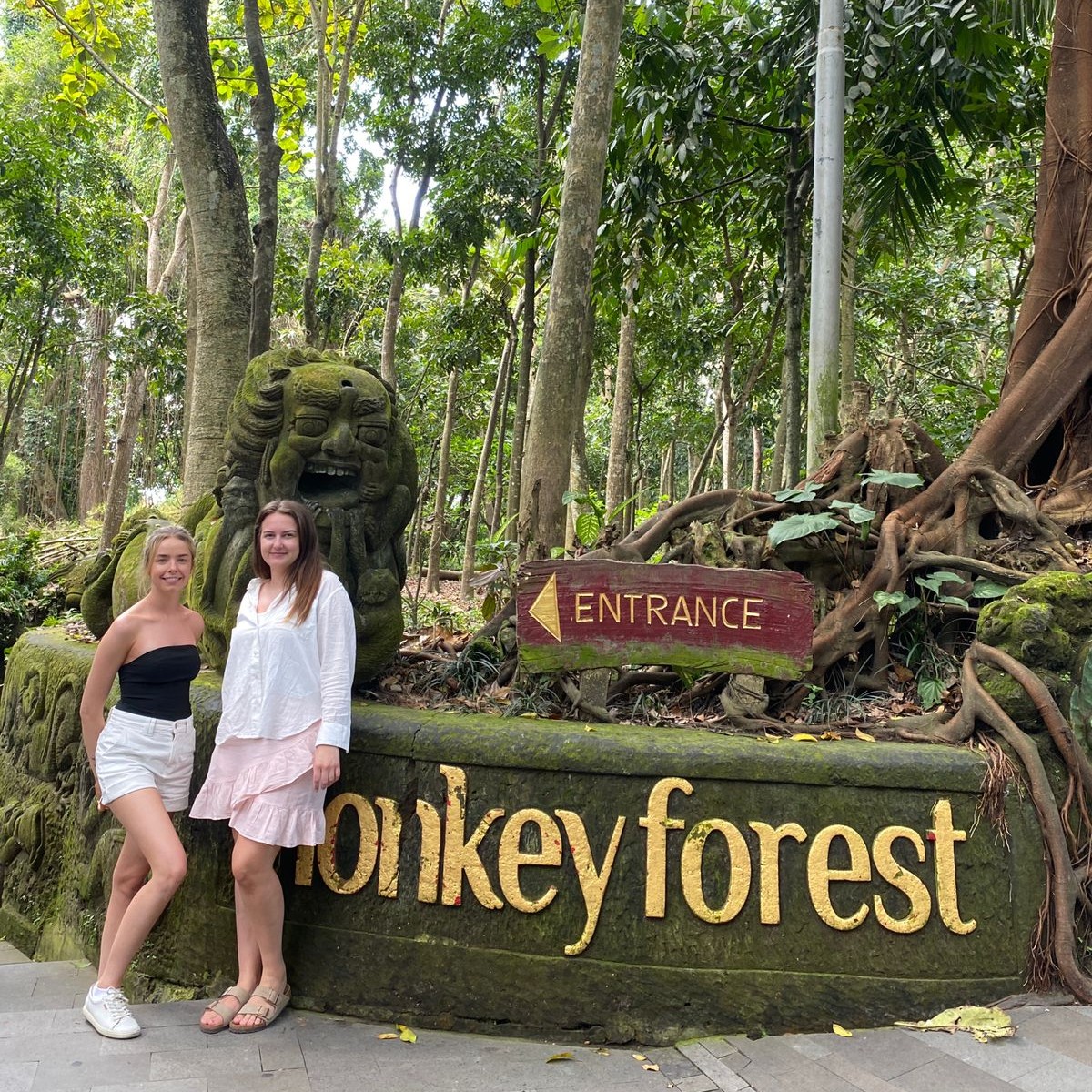
Set in the heart of Ubud Village, Monkey Forest—also known as Sacred Monkey Forest Sanctuary—is home to around 1,200 Balinese long-tailed macaques. Managed by the local Padangtegal community, it embodies a delicate balance between human spirituality and nature’s vitality.
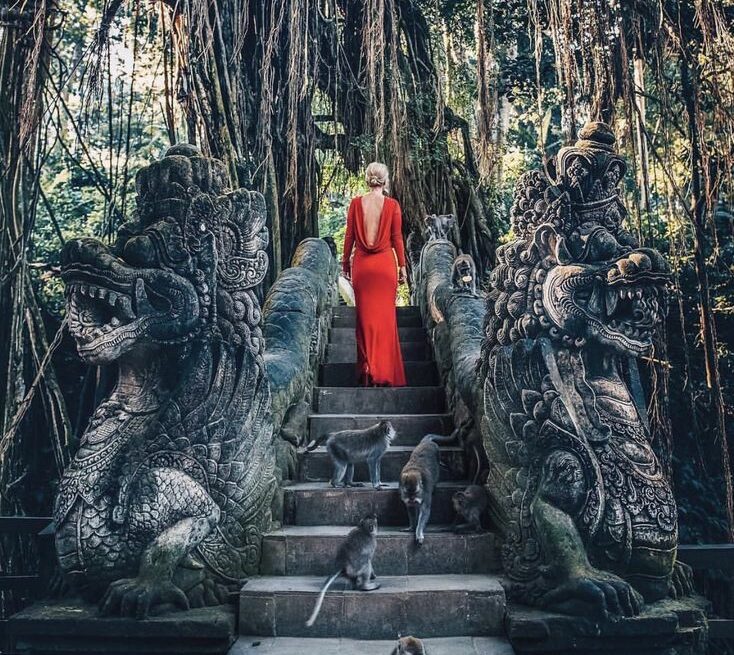
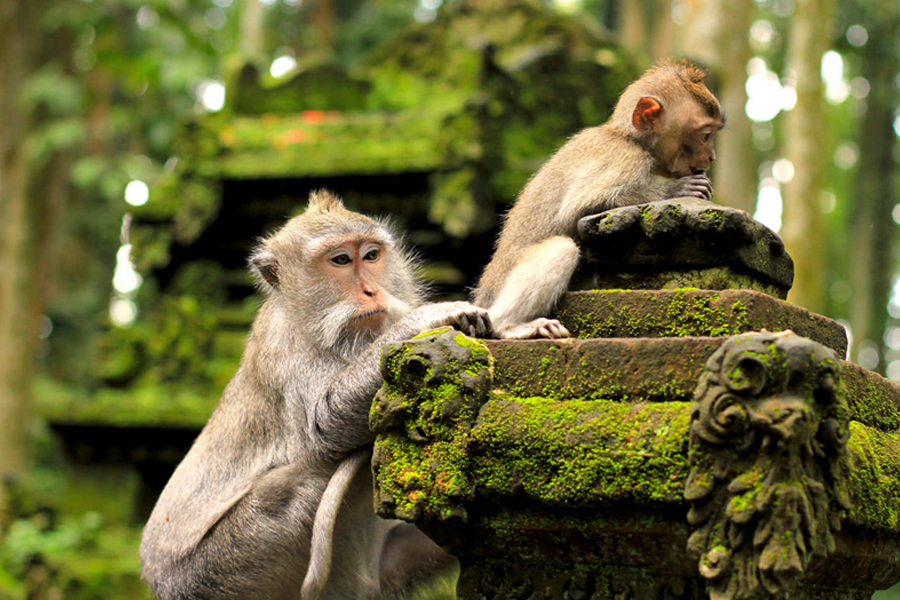
Walking through the sanctuary feels like entering an ancient jungle temple. Moss-covered statues, vine-wrapped stone bridges, and the sound of chattering monkeys create a mystical atmosphere that feels both sacred and alive.
Wildlife Conservation and Sustainability Efforts
In 2025, the Monkey Forest team has strengthened their conservation mission. Their initiatives focus on:
- Wildlife health monitoring and humane population control.
- Eco-education programs for visitors and schools.
- Zero-plastic policy to protect both animals and the environment.
- Reforestation projects within the sanctuary zone.
These sustainable efforts are gaining international recognition, turning Monkey Forest into a model for ethical wildlife tourism in Bali.
Experiencing Monkey Forest in 2025
What’s New This Year
In 2025, visitors can expect upgraded walking trails, improved facilities, and guided tours focused on eco-learning. A new “Forest Mindfulness Path” invites guests to slow down, breathe deeply, and reconnect with nature — perfect for travelers seeking calm and balance after Bali’s vibrant beach scenes.
What to Expect During Your Visit
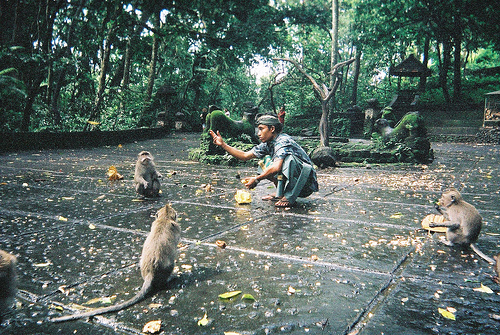
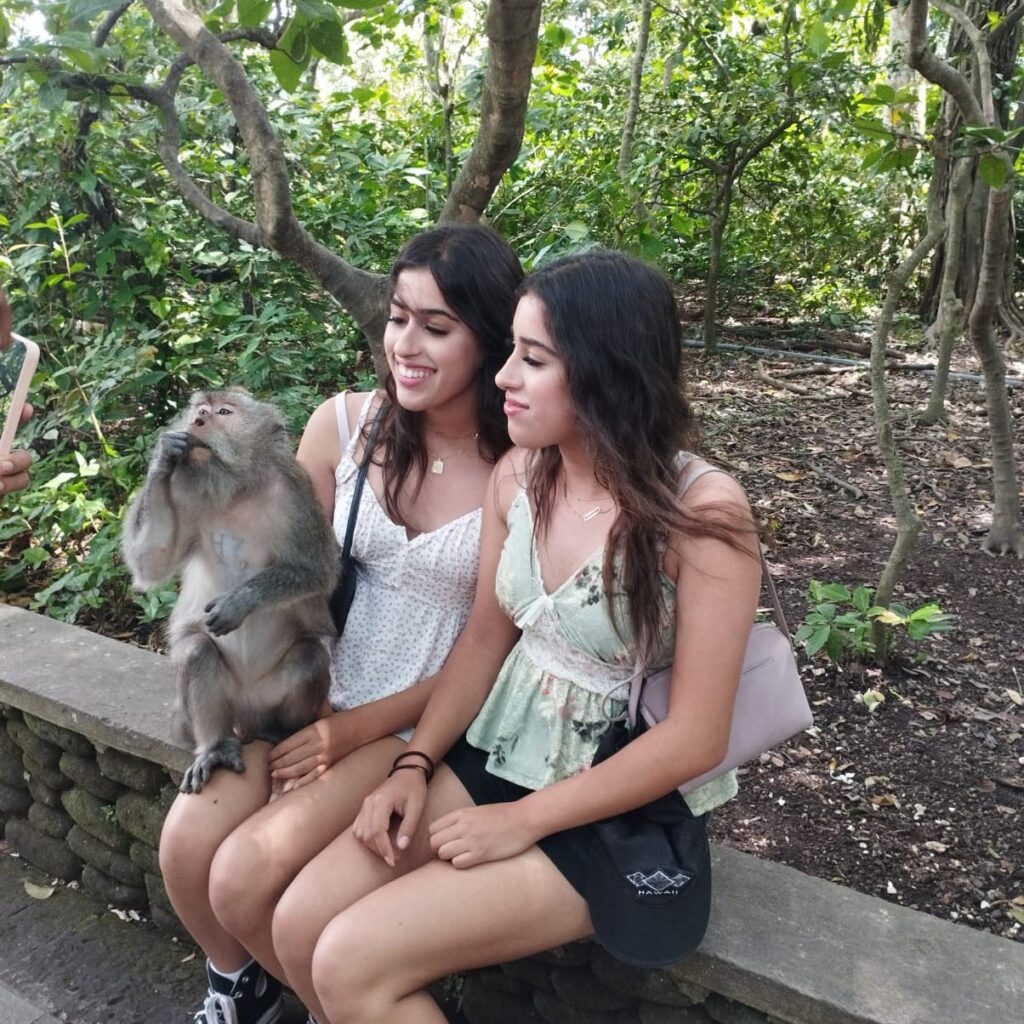
- 🐒 Observe macaques freely interacting in their natural environment.
- 🛕 Explore three sacred temples hidden inside the forest.
- 🌿 Join a short eco-education session with local rangers.
- 📸 Capture unforgettable jungle-temple moments under soft Ubud light.
Tips & Best Time to Visit Monkey Forest
Best Time to Visit
The best time to visit Monkey Forest is early morning (8–10 AM) or late afternoon (3–5 PM) when the air is cool and the light is perfect for photography.
Avoid noon hours to escape crowds and Bali’s tropical heat.
What to Bring
- Comfortable walking shoes
- A reusable water bottle (no single-use plastic)
- Camera or phone for photos
- Respectful attire for temple areas
Supporting Local Communities
Every ticket purchased contributes to local welfare programs — from temple maintenance to village education. When you visit Monkey Forest, you’re not only exploring nature but also helping preserve Ubud’s cultural and ecological heritage.
In collaboration with nearby artisans, eco-cafes, and yoga retreats, the forest promotes mindful tourism — encouraging guests to travel responsibly and leave no trace.
How to Visit Monkey Forest Ubud
- Location: Padangtegal, Ubud, Bali
- Opening Hours: Daily, 8:30 AM – 6:00 PM
- Entrance Fee: Around IDR 80,000 (subject to update)
- Duration: 1–2 hours recommended
Combine your visit with nearby attractions like the Ubud Palace, Tegallalang Rice Terrace, or Campuhan Ridge Walk for a complete nature-culture experience.
Plan Your Visit with Local Experts
Ready to meet Bali’s most playful residents? Join a guided eco-tour that includes transport, a professional guide, and cultural storytelling along the way. You’ll gain deeper insight into monkey behavior, temple symbolism, and how conservation is maintained in real time.
Final Thoughts
The Monkey Forest is more than an Ubud attraction — it’s a living symbol of coexistence between humans, nature, and spirituality. As 2025 brings greater focus on sustainability, this sacred forest continues to inspire travelers seeking mindful connection with the wild side of Bali.
Whether you come for the monkeys, the temples, or the peaceful forest air, the experience will stay with you long after your trip ends.