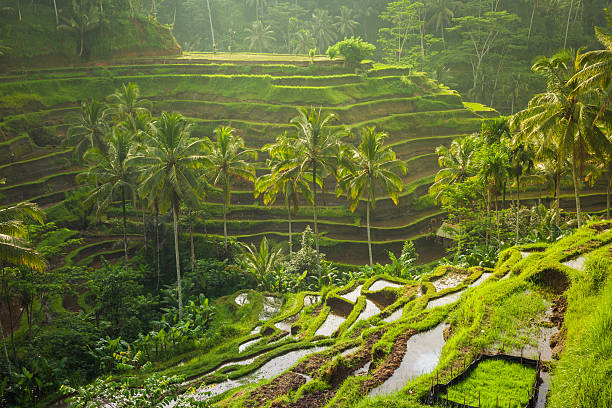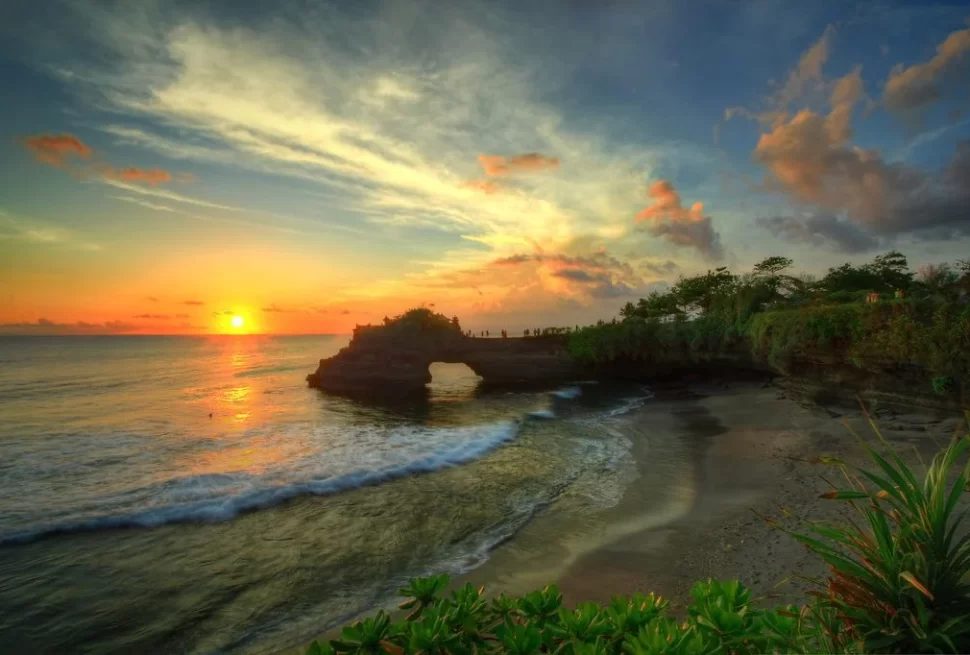

Bali Waterfalls offer some of the island’s most breathtaking natural beauty, and because they combine adventure, scenery, and culture, they continue to attract thousands of nature lovers each year. In fact, exploring waterfalls has become one of the top things to do in Bali, especially for travelers who want to witness the island’s raw and untouched landscapes. In this complete 2025 travel guide, you will learn exactly how to explore the best waterfalls in Bali, where to go, what to expect, and how to make your trip safe, smooth, and incredibly memorable.
Why Bali Waterfalls Should Be on Your 2025 Travel List

When planning your Bali itinerary, discovering why Bali Waterfalls are so special will help you prioritize your adventure. Not only do these waterfalls showcase Bali’s natural charm, but they also reveal the spiritual and cultural significance behind the island’s hidden sanctuaries. Moreover, waterfalls in Bali offer a refreshing escape from busy tourist areas, giving travelers the chance to enjoy tranquility while still benefiting from stunning photo opportunities.
A Blend of Nature, Culture, and Adventure
Bali’s waterfalls feel sacred because many are located near temples and traditional villages. Additionally, some of the most iconic waterfalls require short treks, which add a sense of adventure to the journey.
Perfect for Photographers and Content Creators
Because of the lush surroundings and changing water flows, Bali waterfalls create beautiful natural backdrops. Furthermore, morning sunlight often enhances the mist, producing magical lighting for photography.
Ideal for Cooling Off During Your Trip
The island’s tropical weather makes waterfall visits refreshing. Moreover, the natural pools at many waterfalls offer a chance for a quick swim and a moment of pure relaxation.
Top Bali Waterfalls to Explore in 2025

To help you plan your route efficiently, here are the top waterfalls that every traveler should consider. Each one offers a different experience, so combining them will give you a well-balanced adventure.
1. Sekumpul Waterfall – The Most Impressive in Bali
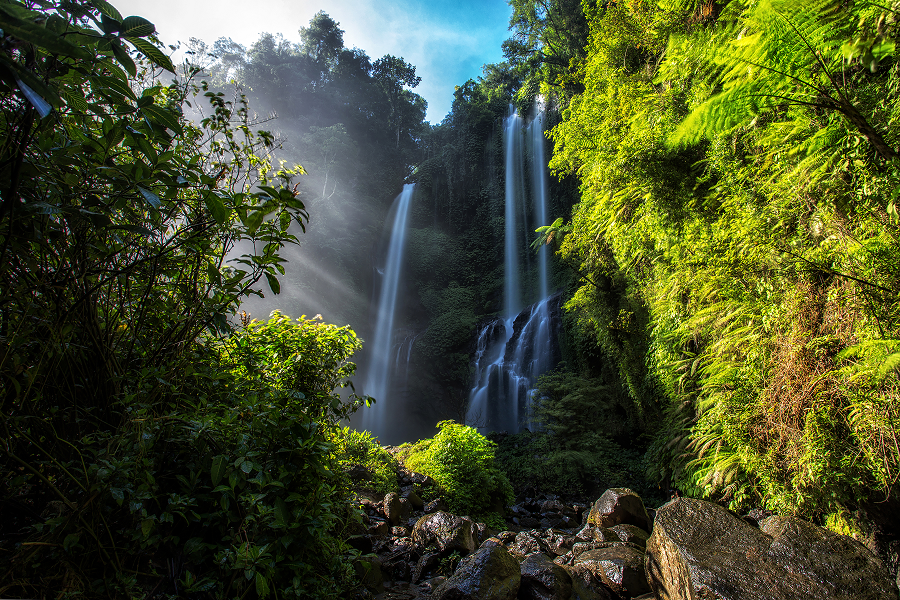
Sekumpul Waterfall in North Bali is often considered the island’s most beautiful. Because it features multiple powerful streams cascading through the jungle, the scenery looks almost unreal. Additionally, the trek down is adventurous but extremely rewarding.
Why visit:
- One of Bali’s tallest and most scenic waterfalls
- Great for photography
- Cooler climate because of its highland location
2. Tegenungan Waterfall – Best for Easy Access
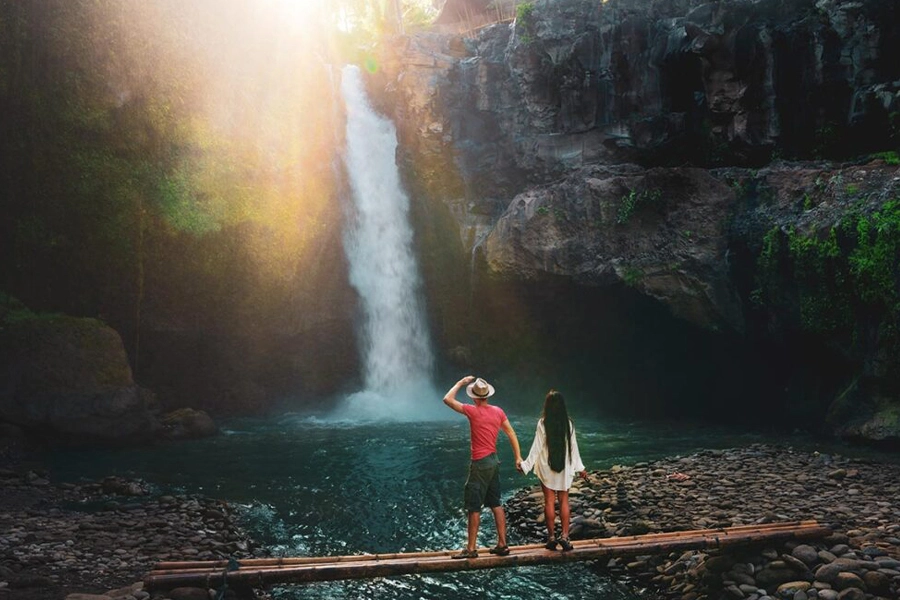
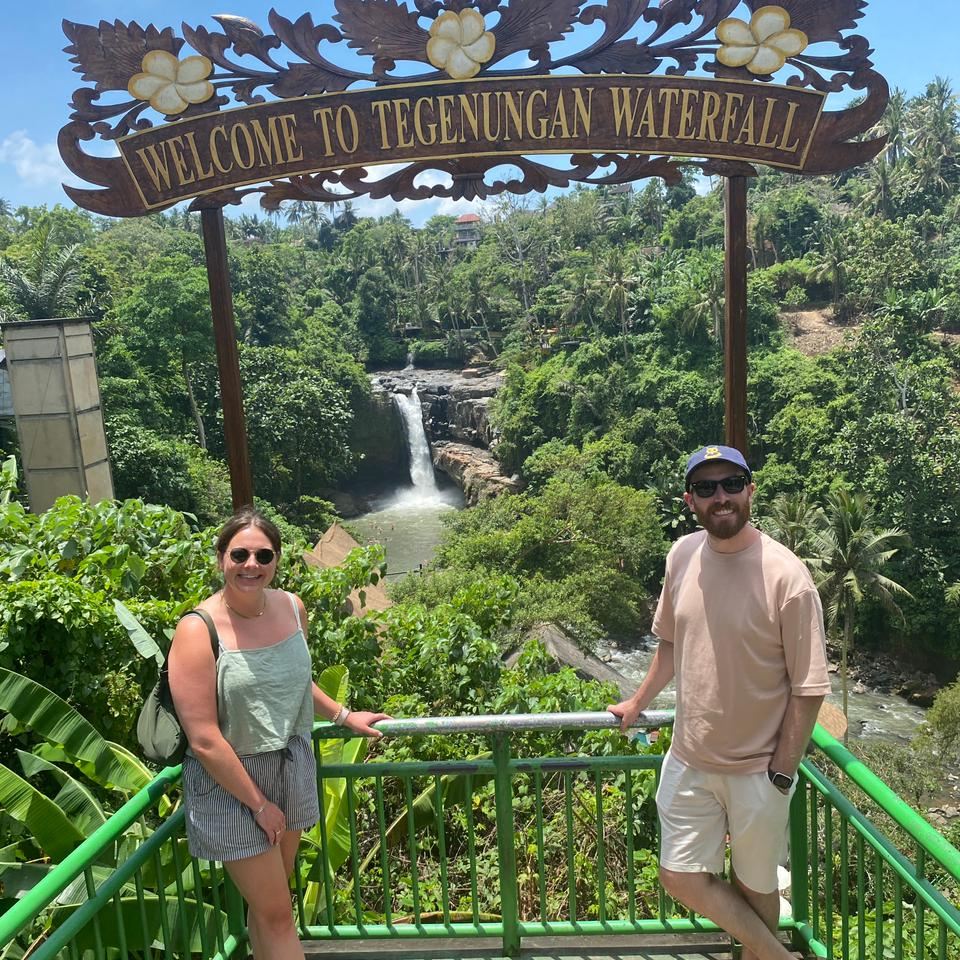
Tegenungan Waterfall is located near Ubud and offers the easiest access compared to other waterfalls. Furthermore, it has wide viewing platforms, making it suitable for families and casual travelers.
Why visit:
- Easily accessible
- Perfect for sunrise or sunset shots
- Has cafés and viewing decks nearby
3. Tukad Cepung Waterfall – Bali’s Magical Light Rays
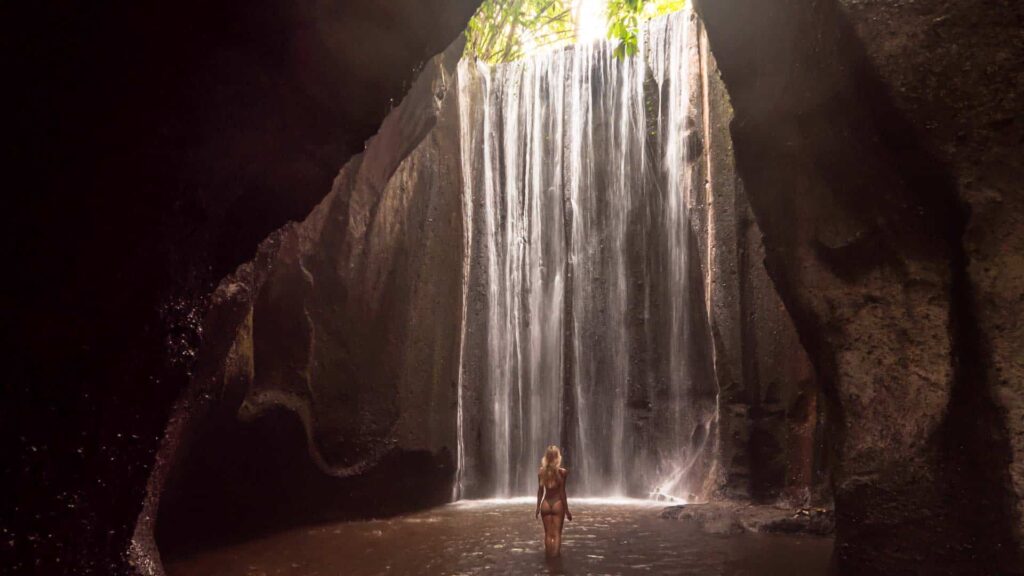
Tukad Cepung is famous for its dramatic cave setting. As sunlight enters the opening, the waterfall glows beautifully, creating iconic light-ray photographs. Moreover, the trek is fairly easy, making it accessible for beginners.
Why visit:
- Unique cave waterfall
- Incredible morning light rays
- Short and enjoyable trek
4. Gitgit Waterfall – Best Classic Waterfall Experience
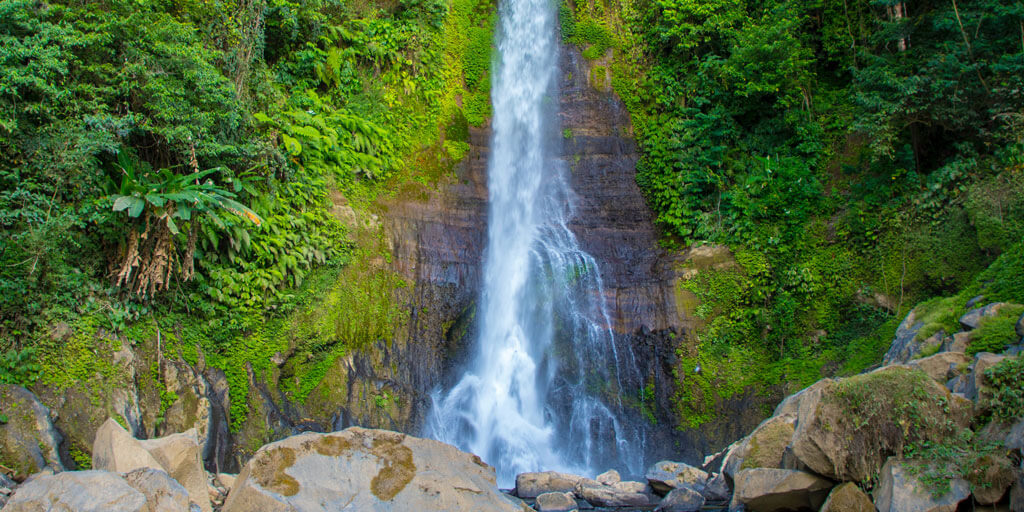
Gitgit is one of the oldest and most well-known waterfalls in Bali. Because it has a tall and narrow drop, the scenery feels elegant and peaceful. Moreover, the trail is simple, and the surrounding area is filled with local shops.
Why visit:
- A classic Bali waterfall experience
- Accessible paths
- Calm natural pool
5. Banyumala Twin Waterfalls – Hidden Gem for Swimmers
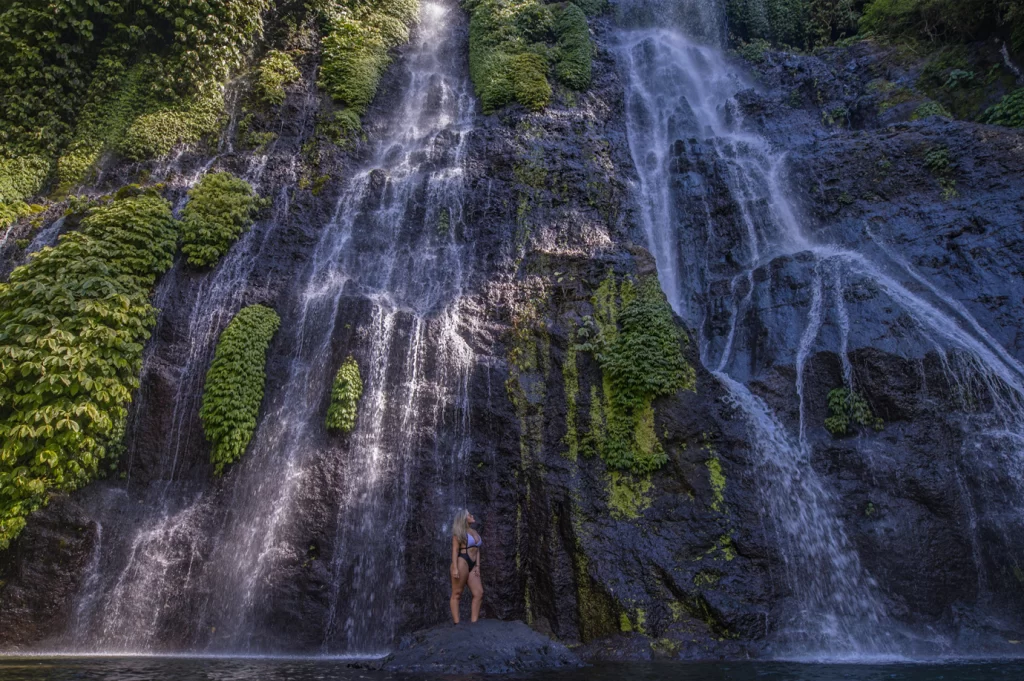
Banyumala Twin Waterfalls offer a truly tranquil atmosphere. With two streams falling into a clear pool, the scenery feels intimate and serene. Additionally, many travelers enjoy swimming here because the water is calm and refreshing.
Why visit:
- Ideal for swimming
- Stunning twin waterfall formation
- Peaceful jungle setting
How to Explore Bali Waterfalls Efficiently in 2025
Because many Bali waterfalls are located in the northern region, planning an efficient route will help you save time and energy. Moreover, choosing transportation wisely ensures a safer and more enjoyable experience.
Use a Private Car and Driver
Since waterfalls are scattered across different regions, using a private car and driver is the most recommended option. Additionally, drivers can guide you through lesser-known routes, which helps you avoid traffic and long detours.
Tour Promotion Insert:
For a comfortable and efficient adventure, consider booking a curated private waterfall tour. These tours include hotel pickup, flexible schedules, and expert local guides who ensure you visit the best waterfalls safely and efficiently.
Choose the Best Time of Day
Morning is the best time to visit most waterfalls. Not only are the crowds smaller, but the lighting is perfect for photography. Furthermore, temperatures remain cool and pleasant during morning hours.
Recommended Times:
- 6:00–9:00 AM: Best lighting and fewer visitors
- 10:00–2:00 PM: Good for swimming but more crowded
- After 3:00 PM: Water levels may rise; trekking paths become wetter
Consider Seasonal Conditions
Because waterfall flow depends on Bali’s tropical climate, visiting during or after the rainy season enhances the overall experience. Moreover, water flow becomes stronger, and the surrounding greenery appears more vibrant.
Best Months to Visit (for strong waterfall flow):
- January–April
- November–December
Best Months for Perfect Weather + Good Flow:
- May–June
- September
Essential Tips for Exploring Bali Waterfalls Safely
Exploring waterfalls requires preparation, and by following these tips, you ensure a safe and comfortable adventure.
Wear Proper Footwear
Because many waterfall trails can be slippery, wearing trekking sandals or non-slip shoes will significantly improve safety.
Bring Waterproof Gear
Since water spray is common, waterproof bags, phone pouches, and quick-dry clothing will protect your belongings. Additionally, these items make the experience far more comfortable.
H3: Stay Hydrated and Bring Snacks
Waterfall treks sometimes take 30–60 minutes. Therefore, carrying water and light snacks will keep your energy levels high during the hike.
Visit With a Local Guide
Because local guides know the terrain well, they help you avoid dangerous spots and ensure the best photo opportunities. Moreover, they offer cultural insights that enrich your travel experience.
H2: Recommended Itinerary for a Full-Day Waterfall Adventure

To help you experience the best of Bali waterfalls in one day, here is a suggested itinerary that balances adventure and comfort.
Sample Itinerary (Ubud Departure)
- 7:00 AM – Hotel pickup
- 8:00 AM – Tukad Cepung Waterfall
- 10:00 AM – Tegenungan Waterfall
- 12:30 PM – Lunch in Ubud
- 2:00 PM – Banyumala Twin Waterfalls or Gitgit
- 5:00 PM – Scenic return drive to hotel
This itinerary maximizes daylight hours and ensures you visit a variety of waterfalls without feeling rushed.
When Is the Best Time to Explore Bali Waterfalls in 2025?
Because water levels and weather patterns vary throughout the year, choosing the right month can significantly enhance your experience.
For Strong Water Flow:
- January to April
- November to December
For Balanced Weather + Good Flow:
- May
- June
- September
For the Best Photography Light:
- All year, especially early mornings
These recommendations will help you plan your trip more strategically.
Conclusion – Discover the Magic of Bali Waterfalls in 2025
In conclusion, Bali Waterfalls offer one of the most exciting and rewarding outdoor experiences for travelers in 2025. Because each waterfall has its own charm—whether powerful, serene, or photogenic—you can tailor your journey to match your travel style. Moreover, by planning your route wisely, hiring a private driver, and choosing the right time to visit, you can explore Bali’s best waterfalls smoothly and comfortably. Therefore, whether you’re seeking adventure, relaxation, or unforgettable photos, Bali’s waterfalls promise remarkable moments that will elevate your Bali holiday experience.