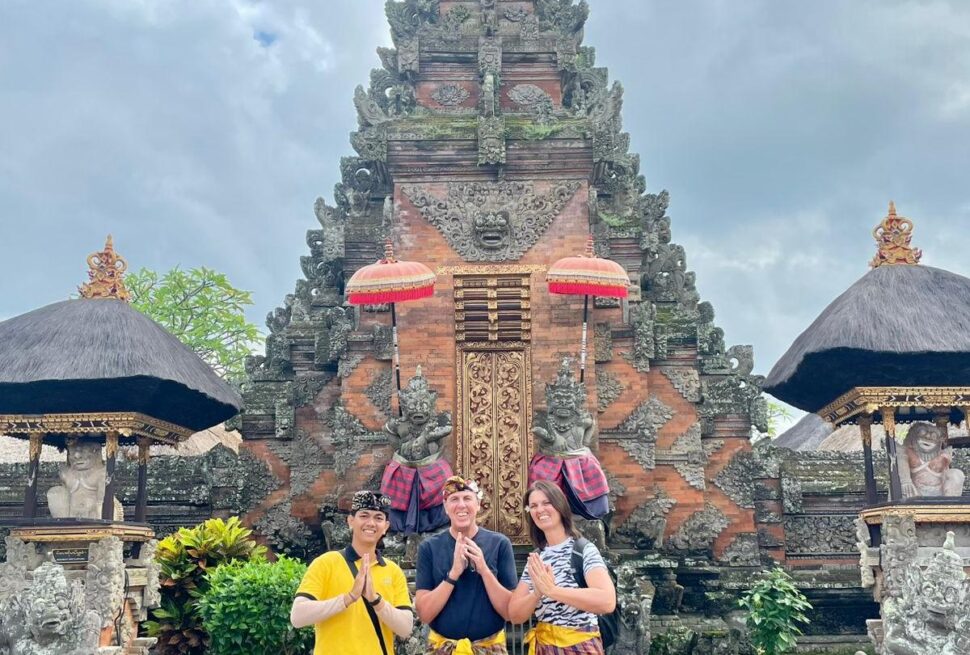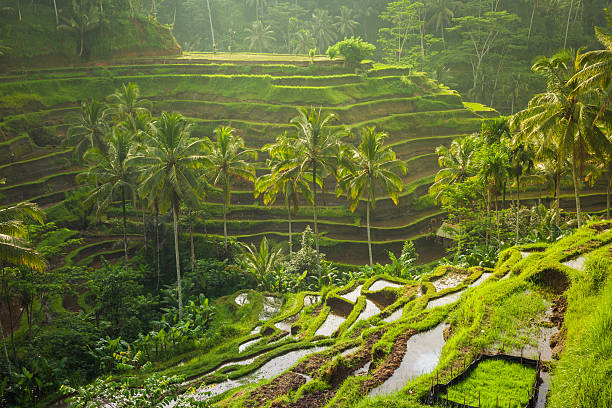
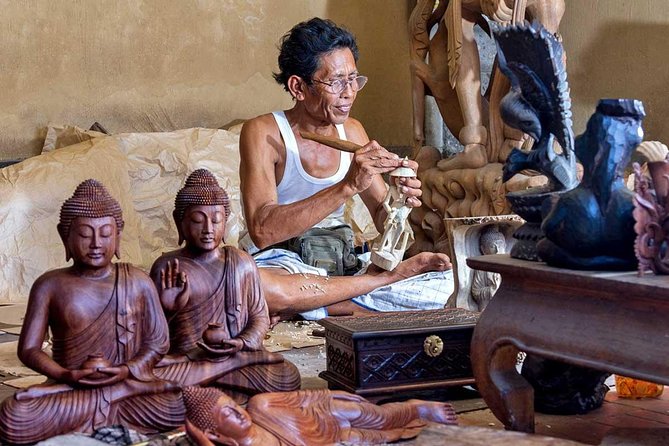
Bali Hidden Beaches may steal the spotlight for their natural beauty, but the island’s true heart beats within its vibrant art and craft traditions. From intricate wood carvings to colorful batik textiles, Balinese art and crafts represent centuries of devotion, spirituality, and creativity. When you explore Bali, you’ll soon realize that art is not just a part of life here — it is life.
For travelers seeking more than just beaches, discovering Bali’s traditional artistry offers a deeper connection to the island’s cultural soul. Join us as we uncover the beauty, stories, and craftsmanship that define Bali’s heritage — and learn how you can experience it firsthand through our exclusive Bali Culture and Craft Tours.
The Origins of Balinese Art and Crafts
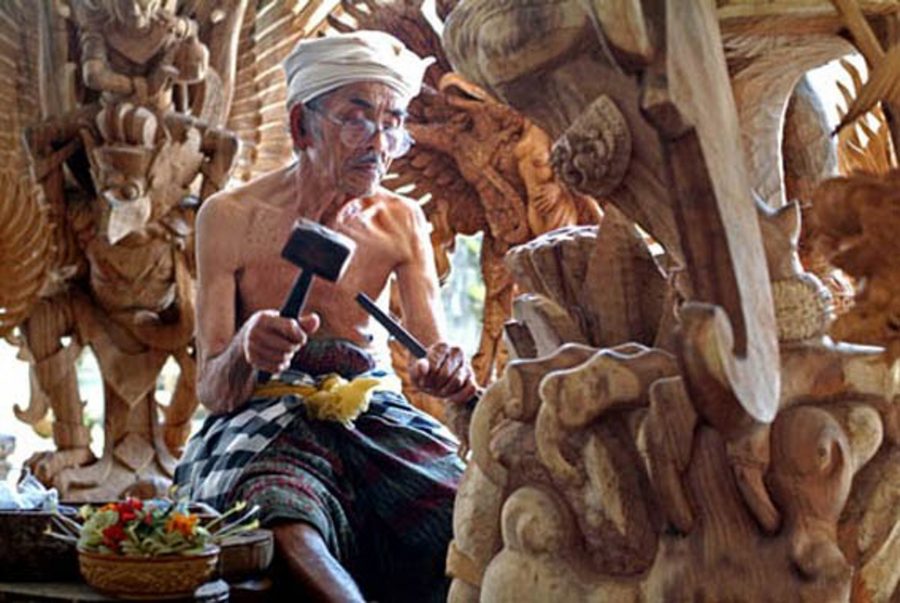
The story of Balinese art and crafts stretches back hundreds of years, deeply intertwined with Hindu traditions and community rituals. Balinese artisans create not only for beauty but for spiritual purpose every statue, painting, and textile often serves as an offering to the gods.
From the royal courts of Ubud to small family workshops in Gianyar, artistic skills have been passed down through generations. These traditions remain alive today, continuously evolving while maintaining their sacred meaning.
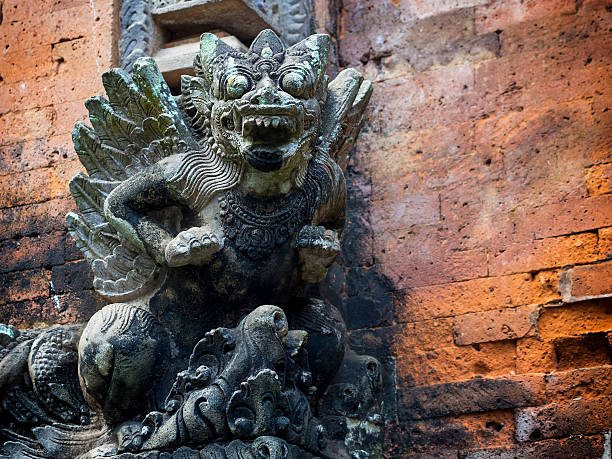
Exploring Bali’s Creative Villages
To truly appreciate Balinese craftsmanship, you must not only visit the island but also step into the traditional villages, where art still breathes through daily life and continues to flourish with passion and purpose. Moreover, as you wander through these communities, you will easily notice how creativity connects generations, blending ancient traditions with modern expressions.
Ubud – The Cultural Heart of Bali
Ubud is widely known as Bali’s art capital, and for good reason. Here, you can not only visit the famous Neka Art Museum but also explore the Agung Rai Museum of Art (ARMA) to admire both classical and modern Balinese masterpieces. Moreover, as you stroll through the lively streets, you’ll notice that Ubud is filled with countless galleries, charming boutiques, and artisan workshops. In addition, many of these studios welcome visitors to watch local artists at work, making your cultural experience even more immersive and memorable.
Tour Tip: Join a guided Ubud Art Village Tour where you can meet local artists, try your hand at batik painting, and even take home your handmade souvenir.

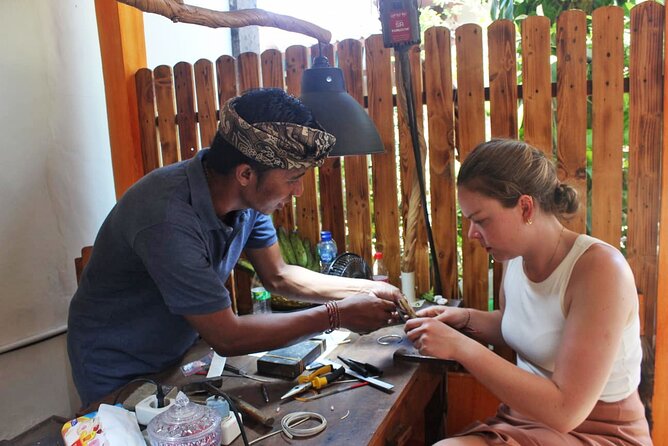
Celuk – The Silver and Gold Village
In the village of Celuk, jewelry making is a way of life. The silversmiths here are known for their detailed craftsmanship, blending ancient techniques with modern designs. Every piece tells a story, often inspired by Bali’s nature and mythology.
You can watch artisans mold silver into intricate bracelets or earrings — and yes, you can purchase custom designs directly from the makers.
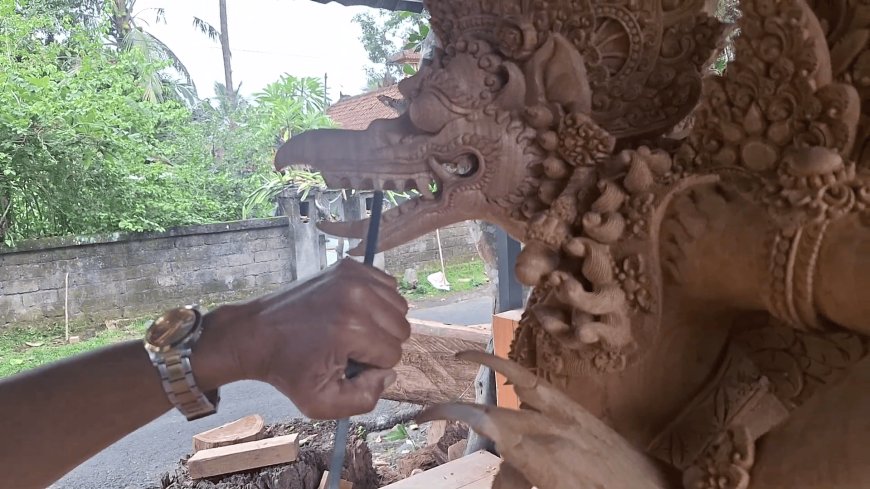
Mas The Home of Wood Carving
The village of Mas, just south of Ubud, is the heart of Bali’s wood carving tradition. Skilled artisans create everything from sacred temple statues to elegant home décor.
Pro Tip: Visit early in the morning when the workshops are quieter, allowing you to see the carvers at their most focused moments.
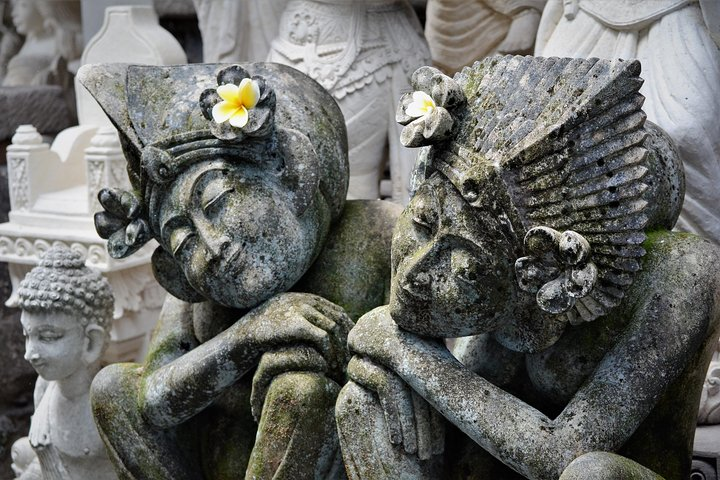
Batubulan – The Land of Stone Carving
Batubulan Village is well-known for its impressive stone carvings, which often depict deities and mythological creatures. Moreover, these intricate sculptures not only adorn temples and palaces but also enhance the beauty of many private villas across the island. As a result, visitors can easily notice how Batubulan’s craftsmanship blends artistic expression with deep cultural and spiritual meaning.
Visiting Batubulan gives you insight into how art meets spirituality in everyday Balinese life.
The Meaning Behind Balinese Art and Crafts
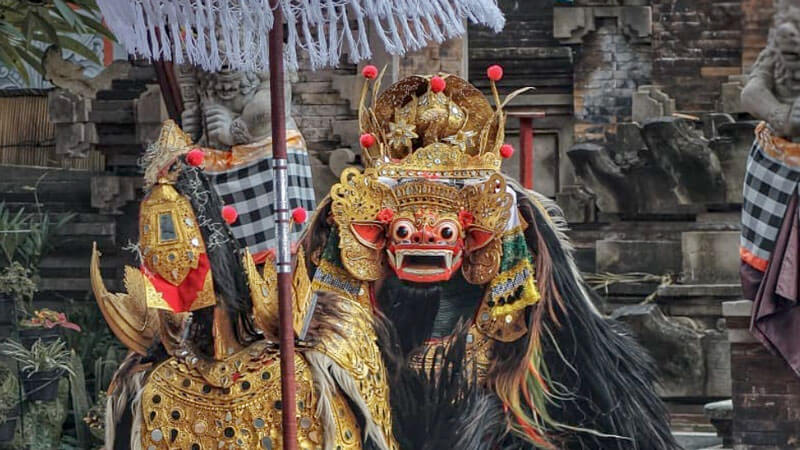
Every Balinese artwork holds deep symbolic meaning. For instance, masks are used in dance dramas representing good and evil, while textiles like endek and songket are worn during ceremonies to express purity and gratitude.
Moreover, the philosophy of “Tri Hita Karana” — harmony among people, nature, and the divine — is reflected in every piece. This concept reminds both locals and visitors that art in Bali is a form of balance and devotion.
Best Time to Experience Balinese Art and Crafts
If you want to experience Bali’s artistic atmosphere at its peak, plan your visit between June and September when the weather is dry and many cultural festivals take place.
Ubud Art Festival
Held every July, this festival not only showcases Bali’s best painters, sculptors, and performers but also offers visitors a wonderful opportunity to explore the island’s rich artistic traditions. Moreover, it’s the perfect time to buy authentic crafts, enjoy live art demonstrations, and truly connect with the creative spirit of Balinese culture.
Galungan and Kuningan Festivals
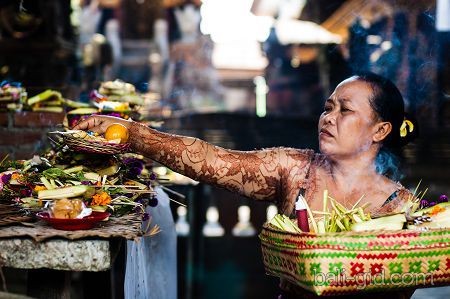
During these spiritual holidays, villages are not only filled with colorful decorations but also beautifully adorned with handmade offerings. As a result, every corner becomes vibrant and alive with artistic expression. Moreover, the combination of colors, textures, and devotion transforms the entire village into a living gallery of Balinese creativity and culture.
Tips for Buying Authentic Balinese Art and Crafts
Buying Balinese art can be a meaningful way to support local communities, but it’s important to know how to spot genuine craftsmanship.
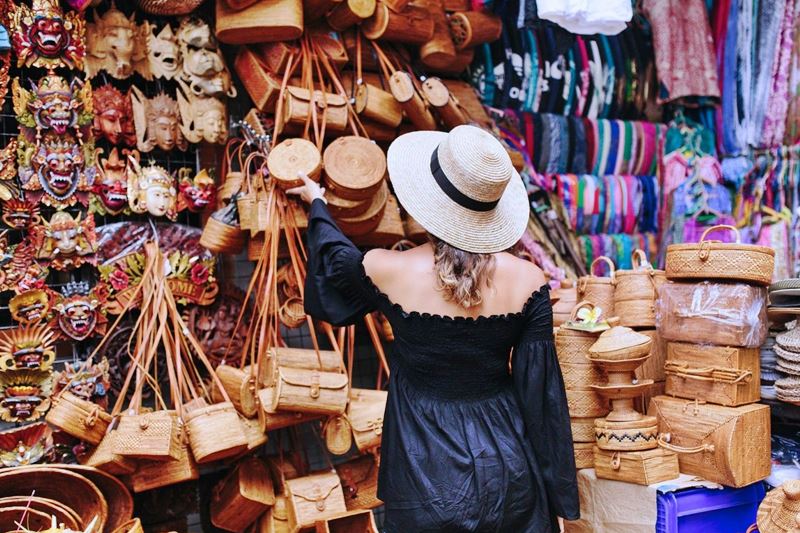
- Buy directly from artisans. Visit workshops or village markets where you can meet the makers.
- Ask about materials. Authentic works often use local wood, natural dyes, or recycled silver.
- Avoid mass-produced souvenirs. Real Balinese art takes time and heart to create.
- Respect cultural meaning. Some art pieces have sacred purposes — admire them respectfully.
Why Balinese Art and Crafts Should Be on Your Bali Bucket List
While Bali Hidden Beaches offer peace and natural beauty, Balinese art and crafts reveal the island’s inner world — a world of devotion, color, and passion. By exploring its art villages and cultural festivals, you don’t just witness creativity; you live it.
Every brushstroke, carving, and woven thread carries the story of Bali’s spirit. So next time you visit, go beyond the beaches — explore the artistry that makes Bali truly unique.
Conclusion: Embrace the Art, Embrace the Island
In conclusion, Balinese art and crafts are more than souvenirs — they are expressions of faith, tradition, and love for life. By supporting local artisans, you contribute to preserving Bali’s cultural identity for generations to come.
So, after you’ve admired the waves of Bali Hidden Beaches, take time to admire the hands that shape its heritage. Join our Balinese Art and Culture Tour today and discover the beauty of Bali from an artistic perspective — one masterpiece at a time.